
8092 Edwin Raynor Blvd # D, Pasadena, MD 21122

The Truth About Enamel: Can You Actually “Regrow” Your Tooth Surface?


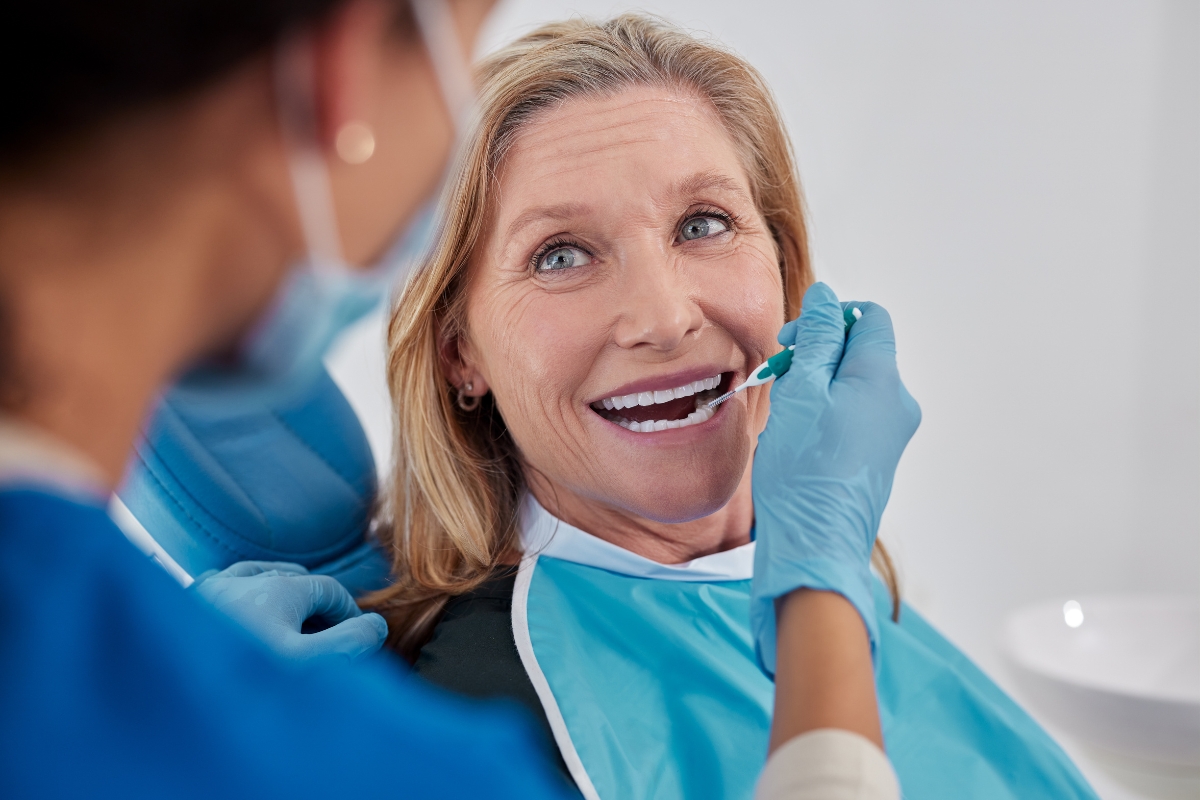
Do you ever wonder if your tooth enamel can actually regenerate? Many people are under the impression that once enamel is gone, it’s gone for good. The notion of “regrowing” enamel may sound enticing, but the reality of what we know about enamel and how it gets regrown is a bit more complicated. And enamel, though it is very strong, is a tissue that cannot regenerate once it’s gone.
But understanding this doesn’t mean you’re powerless. There are steps you can take to protect and strengthen it. In this post, we’ll dive deep into what enamel is, why it’s essential for your oral health, and what you can do if your enamel is wearing away. Let’s separate fact from fiction!
What Is Tooth Enamel?
Tooth enamel is the hard, outer layer that covers your teeth, acting as a protective shield. It’s the hardest substance in the human body, primarily composed of minerals like calcium and phosphate. Enamel’s primary role is to protect the sensitive inner layers of the teeth, such as the dentin and pulp, from damage, decay, and temperature fluctuations.
The structure of a tooth consists of three main layers: enamel, dentin, and pulp. Enamel is the outermost layer, providing the first line of defense against physical wear, acidic foods, and bacteria.
Below the enamel lies dentin, which is softer and contains microscopic tubules that lead to the tooth’s pulp, the living part of the tooth. The enamel helps to prevent harmful substances from reaching the sensitive dentin and pulp.
The importance of enamel cannot be overstated. Without it, your teeth would be more susceptible to cavities, cracks, and severe tooth sensitivity. This is why maintaining the health of your enamel is crucial for long-term dental health.
Can You “Regrow” Tooth Enamel?
There’s a widespread myth that tooth enamel can regenerate or grow back, especially with certain products that claim to help rebuild enamel. However, the reality is quite different. Unlike other tissues in the body, enamel is not living tissue, and once it is lost, it cannot grow back. The cells that form enamel, known as ameloblasts, stop functioning once the tooth has fully developed, which is why your enamel can’t regenerate after it’s been worn down or damaged.
The reason this myth persists is partly due to the success of remineralization techniques, which help to strengthen weakened enamel. While remineralization can restore lost minerals to enamel, it cannot completely regenerate it. By using products containing fluoride or calcium phosphate, enamel can become more resistant to further decay and damage, but it doesn’t restore enamel to its original thickness.
Current research is investigating potential methods to promote enamel regeneration, including the development of new dental products and advanced technologies. However, as of now, there is no scientifically proven method to regrow enamel.
What Happens When Enamel Wears Away?
As per a professional dentist in Pasadena, enamel erosion occurs when enamel is worn away due to various factors, and it can happen gradually over time. The most common causes of enamel erosion include acidic foods and drinks, aggressive brushing, teeth grinding, acid reflux, and poor oral hygiene. When enamel erodes, the tooth becomes more vulnerable to decay, cracks, and sensitivity.
Common Causes of Enamel Erosion:
- Acidic Foods and Drinks: Citrus fruits, soda, and wine are known to contribute to enamel erosion. The acids in these foods soften enamel, making it more susceptible to wear.
- Brushing Too Hard: Using a hard-bristled toothbrush or brushing aggressively can physically wear away enamel over time.
- Acid Reflux: Stomach acids that reach the mouth during reflux episodes can erode enamel.
- Dry Mouth: A lack of saliva increases the risk of enamel erosion, as saliva helps neutralize acids in the mouth.
- Genetics: Some people may have naturally thinner enamel or weaker enamel due to genetic factors.
The consequences of enamel loss can be severe. Once enamel is worn down, the underlying dentin becomes exposed, which can lead to tooth sensitivity, especially when eating hot, cold, or sweet foods. Without enamel to protect it, the tooth is also more prone to cavities, as bacteria can more easily penetrate the softer dentin.
Can You Prevent Enamel Erosion?
While enamel can’t regenerate, you can take proactive steps to prevent further damage and protect the enamel that remains. Here are a few prevention tips offered by a qualified dentist in Pasadena:
- Use Fluoride Toothpaste: Fluoride helps to remineralize weakened enamel and make it more resistant to acids.
- Brush Gently: Use a soft-bristled toothbrush and brush your teeth gently to avoid wearing down enamel.
- Limit Acidic Foods and Drinks: Reduce consumption of acidic foods like citrus, soda, and vinegar. If you do consume them, rinse your mouth with water afterward to neutralize the acids.
- Drink Water: Drinking water throughout the day helps rinse away food particles and bacteria that could contribute to enamel erosion.
- Use a Straw: When drinking acidic beverages, use a straw to minimize contact with your teeth.
- Chew Sugar-Free Gum: Gum stimulates saliva production, which helps neutralize acids in the mouth and protects enamel.
- Visit Your Dentist Regularly: Regular dental checkups are essential for identifying early signs of enamel erosion and addressing them before they become more serious.
Professional fluoride treatments, available at your dentist’s office, can also help strengthen enamel and protect against further erosion.
Are There Any Solutions to Repair or Strengthen Enamel?
While enamel can’t fully regenerate, there are ways to strengthen and protect it. One of the most effective methods is remineralization, which involves restoring lost minerals to enamel. Fluoride, calcium, and phosphate are key minerals that can help fortify existing enamel. Many toothpaste brands contain these minerals to help protect against future damage.
For those with severe enamel loss, cosmetic dental treatments such as dental bonding, veneers, or crowns may be recommended. These treatments can restore the appearance and function of your teeth, especially if enamel erosion has caused visible damage.
New technologies are also being developed to address enamel wear. For example, researchers are exploring products that could stimulate the growth of enamel-like minerals or the development of bioactive materials that can bond to the enamel.
Enamel is an essential part of your teeth that serves as a protective barrier. Unfortunately, once it’s gone, it cannot regrow. While certain treatments can help strengthen enamel and prevent further erosion, preserving your enamel is the best defense against tooth decay and sensitivity.
If you’ve been worrying about enamel erosion or are interested in finding out more about teeth preservation, look no further than your dentist. Here at Cedar Grove Dental Group, we can offer tailored care to help you protect your enamel and keep your smile healthy for years to come. Schedule your appointment with us today and begin to protect your enamel!
People Also Ask
Can enamel erosion cause tooth sensitivity?
Yes, when enamel wears away, the underlying dentin is exposed, which can lead to increased tooth sensitivity, especially to hot, cold, or sweet foods.
Is it safe to use enamel-strengthening toothpaste?
Yes, enamel-strengthening toothpaste containing fluoride can help strengthen and protect your enamel, reducing the risk of further damage.
Does drinking water help protect enamel?
Yes, drinking water helps rinse away food particles and acids that can erode enamel, promoting a healthier oral environment.
Can I restore lost enamel with over-the-counter products?
While no product can regrow enamel, over-the-counter remineralizing products like fluoride toothpaste can help strengthen and protect remaining enamel.
Should I avoid certain foods to protect my enamel?
Yes, it’s best to limit acidic foods and drinks like citrus, soda, and wine, which can weaken enamel over time.

New Patients & Emergency
Appointments Welcome!
New Patients & Emergency
Appointments Welcome!