
8092 Edwin Raynor Blvd # D, Pasadena, MD 21122

Dental Implants vs. Dentures vs. Bridges


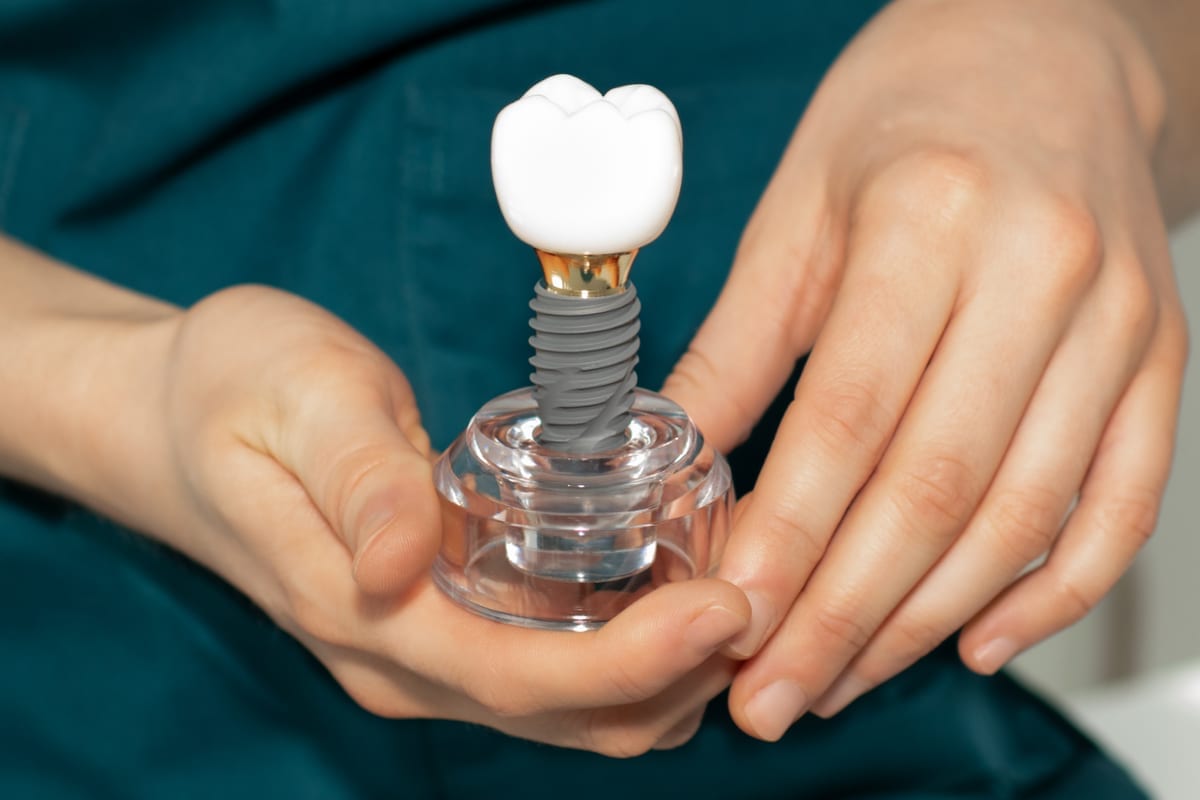
Losing a tooth changes more than your smile. It affects how you eat, speak, and feel about yourself every day. If you’re exploring dental implants vs. dentures vs. bridges and wondering which one fits your life in Pasadena, MD, you’re not alone. At Pasadena Dental Group, Dr. Alex Sapienza helps patients weigh their options based on real-life needs — not just clinical charts.
This guide breaks down each tooth replacement option honestly. We’ll compare how they work, who they’re best for, and what life looks like with each one.
Understanding Your Three Main Tooth Replacement Options in Pasadena
Before comparing costs, comfort, or longevity, it helps to understand what each option actually is. These are three very different solutions. Each one works best in different situations.
Dental implants are titanium posts surgically placed into your jawbone. A crown is attached on top, creating a permanent, natural-looking tooth. They function just like real teeth.
Dental bridges use two healthy neighboring teeth as anchors. A false tooth sits in the gap between them. Bridges are fixed in place and don’t require surgery.
Dentures are removable appliances that replace multiple missing teeth — or even a full arch. They rest on the gums and can be taken out for cleaning. Modern dentures fit far better than older versions.
Each option falls under the umbrella of Restorative Dentistry, which focuses on rebuilding function and structure after tooth loss. Knowing the basics helps you ask better questions at your consultation.
Dental Implants vs. Dentures vs. Bridges: A Side-by-Side Comparison
Comparing these options directly makes the decision much clearer. Here’s how they stack up across the factors patients care about most.
- Longevity: Implants can last a lifetime with proper care. Bridges typically last 10–15 years. Dentures often need replacement every 5–10 years.
- Bone preservation: Only implants stimulate the jawbone like natural teeth. Bridges and dentures do not prevent bone loss over time.
- Comfort: Implants feel most like real teeth. Bridges are fixed and stable. Dentures may shift or cause soreness without proper fit.
- Eating ability: Implants allow you to eat almost anything. Bridges handle most foods well. Dentures may limit harder or stickier foods.
- Maintenance: Implants are cared for like natural teeth. Bridges require flossing under the false tooth. Dentures need nightly removal and soaking.
- Procedure timeline: Implants involve surgery and a healing period of several months. Bridges are usually complete in a few weeks. Dentures can be fitted relatively quickly.
No single option wins across every category. Your best choice depends on your health, your jawbone density, and your daily priorities.
Who Is Each Option Best For?
Matching the right treatment to the right patient matters more than picking the
Frequently Asked Questions
How long do dental implants last compared to dentures and bridges?
Dental implants can last 25+ years or even a lifetime with proper care, making them the most durable option. Dentures typically need replacement every 5-8 years as your jawbone changes shape, while bridges usually last 10-15 years before needing replacement. This longevity makes implants a better long-term investment despite their higher initial cost.
Is the dental implant procedure painful?
The implant placement procedure is performed under anesthesia, so you won’t feel pain during the surgery itself. You may experience some soreness and swelling in the days following the procedure, which can be managed with over-the-counter pain medication and ice packs. Most patients report that any discomfort is minimal and temporary.
How much bone do I need for dental implants?
You need sufficient jawbone density and volume to support the implant fixture. If you’ve experienced bone loss, your dentist may recommend bone grafting to build up the area before implant placement. Unlike dentures and bridges, implants require adequate bone structure, which is an important consideration during your consultation.
Can dental implants fail, and what causes failure?
While implant success rates exceed 95%, failure can occur due to poor oral hygiene, smoking, uncontrolled diabetes, or insufficient bone quality. Gum disease and infection around the implant can also lead to complications. Choosing an experienced implant dentist and following post-operative care instructions significantly reduce the risk of failure.
Do I need special care for dental implants like I do with dentures?
Dental implants require standard oral hygiene practices—brushing, flossing, and regular dental checkups—similar to natural teeth. Unlike dentures, which need daily cleaning and special storage, implants don’t require removal or special maintenance solutions. This makes implants more convenient and similar to caring for your natural teeth.



New Patients & Emergency
Appointments Welcome!
New Patients & Emergency
Appointments Welcome!