
8092 Edwin Raynor Blvd # D, Pasadena, MD 21122

Does Root Canal Treatment Really Hurt? What Modern Dentistry Actually Feels Like


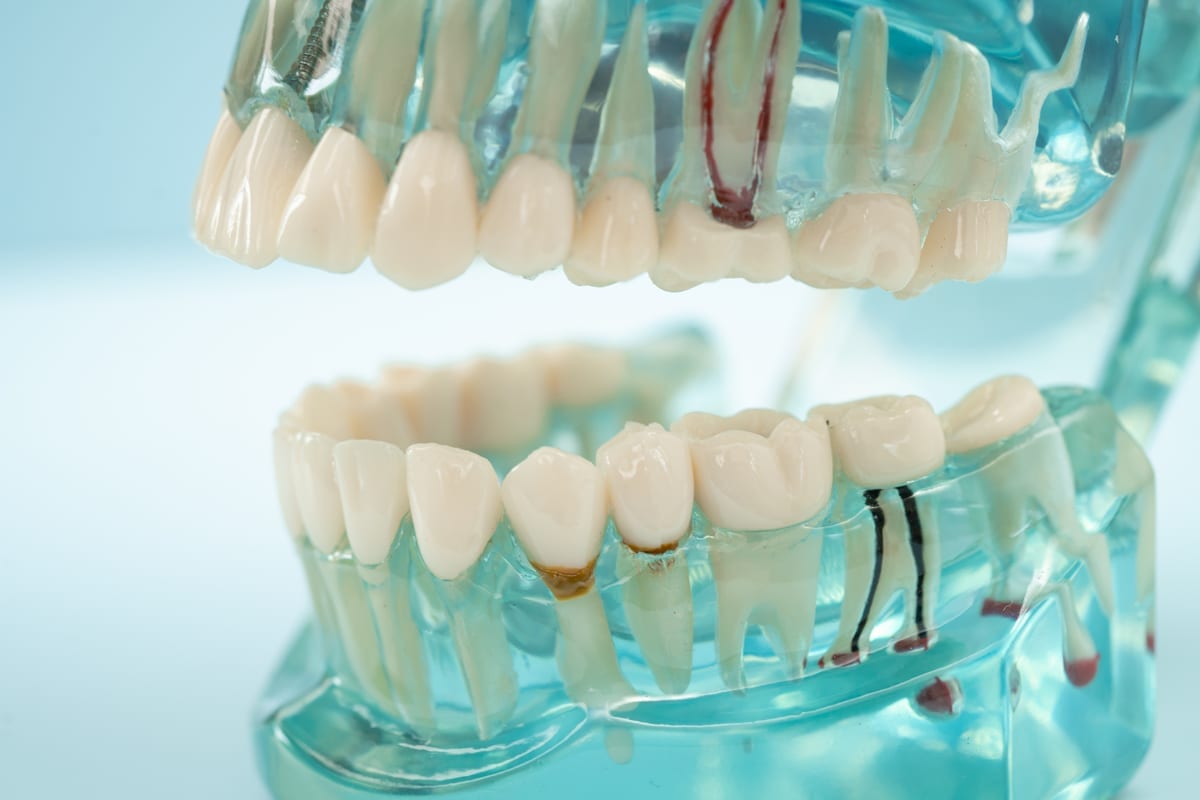
If you’ve been told you need a root canal, your first question is probably about pain. Does root canal treatment really hurt? What modern dentistry actually feels like in Pasadena may surprise you. Most patients report that the procedure is far more comfortable than they expected. At Pasadena Dental Group, Dr. Alex Sapienza uses advanced techniques and anesthesia to make your experience as gentle as possible.
The fear surrounding root canals is largely outdated. It stems from older dental practices that simply didn’t have today’s tools or anesthetics. Understanding what actually happens during the procedure can ease your anxiety and help you make an informed decision about your oral health.
Why Root Canals Have a Painful Reputation — And Why That’s Changing
The root canal’s scary reputation developed decades ago. Older anesthetic formulas were less effective, and techniques were more invasive. Patients understandably associated the procedure with significant discomfort.
Today, the dental experience is completely different. Modern local anesthetics are highly targeted and fast-acting. Dr. Sapienza carefully numbs the entire treatment area before starting. You should feel pressure and movement, but not sharp or intense pain.
Many patients are also anxious because the tooth itself is already painful before treatment. An infected or inflamed tooth pulp causes genuine discomfort. The root canal actually relieves that pain rather than creating it.
Think of it this way — the procedure treats the source of your pain. Most patients leave the chair feeling significant relief compared to the days leading up to treatment.
What You Actually Feel During a Root Canal in Pasadena
Understanding the step-by-step process removes a lot of fear. Here is what typically happens during a root canal at Pasadena Dental Group:
- Numbing the area: Dr. Sapienza applies a topical numbing gel before injecting local anesthetic. This minimizes any sting from the needle itself.
- Isolating the tooth: A small rubber dam keeps the area dry and clean during the procedure.
- Removing infected pulp: Tiny, precise instruments clean out the infected tissue inside the tooth’s canals.
- Shaping and filling the canals: The canals are shaped, disinfected, and filled with a biocompatible material called gutta-percha.
- Sealing the tooth: A temporary or permanent filling closes the tooth to prevent reinfection.
During this process, you will feel pressure and some vibration. You should not feel sharp pain. If you do, raise your hand and Dr. Sapienza will add more anesthetic immediately.
Most root canal appointments at our Pasadena, MD office take between 60 and 90 minutes. Complex cases with multiple canals may require a second visit. Your comfort is the priority throughout every step.
What to Expect After Treatment — Honest Recovery Facts
Post-procedure soreness is the most common complaint after a root canal. This is completely normal and temporary. The tissues around the tooth were inflamed, and some tenderness follows any dental work in that area.
Here is what most patients experience during recovery:
- Mild to moderate soreness for 2–3 days after the procedure
- Sensitivity when biting down on the treated tooth
- Some jaw achiness from keeping your mouth open during the appointment
- Gradual improvement each day — most patients feel back to normal within a week
Over-the-counter pain relievers like ibuprofen usually manage recovery discomfort well. Dr. Sapienza will give you specific aftercare instructions before you leave the office. Following those guidelines speeds up healing significantly.
Severe or worsening pain beyond the first few days is uncommon. If that happens, contact our Pasadena Dental Group team promptly so we can evaluate the tooth and ensure healing is on track.
How Restorative Dentistry Completes Your Root Canal Treatment
A root canal saves your natural tooth, but the work doesn’t fully end there. After the procedure, your tooth needs a permanent restoration to protect it long-term. Most teeth that undergo root canal treatment require a dental crown.
This is where Restorative Dentistry Pasadena plays a vital role in your overall care plan. A crown fits over the treated tooth, restoring its shape, strength, and function. Without a crown, a root canal-treated tooth is more vulnerable to fracture.
Dr. Sapienza will discuss restoration options after your root canal is complete. The goal is always to preserve your natural tooth and restore a healthy, functional smile. Keeping your natural tooth is almost always preferable to extraction when possible.
If your smile has been affected by dental damage or decay beyond one tooth, we may also discuss additional treatment options. Cosmetic Dentistry Pasadena services can address aesthetics once your oral health is fully restored. Healthy teeth are the foundation for any cosmetic improvement.
Tips for a Comfortable Root Canal Experience
You can do several things to prepare for your appointment and improve your experience. A little preparation goes a long way toward reducing anxiety and discomfort.
- Eat beforehand: Have a light meal before your appointment, since eating may be uncomfortable for a few hours afterward.
- Communicate openly: Tell Dr. Sapienza about your anxiety level before treatment begins. Our team adjusts accordingly.
- Avoid alcohol the night before: Alcohol can interfere with the effectiveness of local anesthetics.
- Plan to rest afterward: Take it easy for the remainder of the day after your procedure.
- Follow aftercare instructions: Stick to soft foods and avoid chewing on the treated side until your crown is placed.
Coming in with realistic expectations also helps. You will likely feel some sensitivity and mild soreness. That is a normal part of healing, not a sign that something went wrong.
Conclusion: Root Canals Today Are Not What You Fear
The question of whether root canal treatment really hurts deserves an honest, clear answer. With modern anesthesia and today’s techniques, the procedure itself should not be painful. Most discomfort comes from the infection before treatment, not the treatment itself.
Dr. Alex Sapienza and the team at Pasadena Dental Group prioritize your comfort at every stage. Whether you need a root canal, a dental crown, or a full restorative treatment plan, we guide you through the process with transparency and care. Patients across Pasadena, MD trust our practice to deliver gentle, effective dental care.
Don’t let outdated fears prevent you from getting the treatment you need. Your tooth can be saved, and you can feel better. Book Now to schedule your appointment with our team.
Frequently Asked Questions
Does a root canal hurt during the procedure?
Most patients feel little to no pain during a modern root canal. Dr. Sapienza numbs the area thoroughly with local anesthetic before starting. You may feel pressure or movement, but sharp pain is uncommon. If you feel discomfort, simply signal and more anesthetic can be applied immediately.
How long does root canal recovery take?
Most patients experience mild soreness for two to three days after treatment. This typically fades on its own with over-the-counter pain relievers. Full recovery, including placement of a permanent crown, may take a couple of weeks. Most people return to normal daily activities the very next day.
Why does my tooth hurt before the root canal but not after?
The pain before a root canal comes from infected or inflamed tissue inside the tooth’s pulp. The procedure removes that infected tissue, which eliminates the source of your pain. Many patients report significant relief immediately after treatment. The post-procedure soreness is far milder than the infection pain that brought them in.
Is a root canal better than tooth extraction?
In most cases, saving your natural tooth with a root canal is preferable to extraction. Natural teeth provide better biting function and help preserve your jawbone. Replacing an extracted tooth with an implant or bridge involves additional procedures and cost. Dr. Sapienza will always recommend the option that best supports your long-term oral health.
How do I know if I need a root canal?
Common signs include severe tooth pain, prolonged sensitivity to heat or cold, swollen gums near a tooth, and darkening of the tooth. Sometimes there are no obvious symptoms, and an X-ray reveals the problem. If you experience any of these signs in Pasadena, MD, contact Pasadena Dental Group promptly for an evaluation.



New Patients & Emergency
Appointments Welcome!
New Patients & Emergency
Appointments Welcome!