
8092 Edwin Raynor Blvd # D, Pasadena, MD 21122

Beyond Brushing: Nutritional Counseling for Gum Disease Recovery


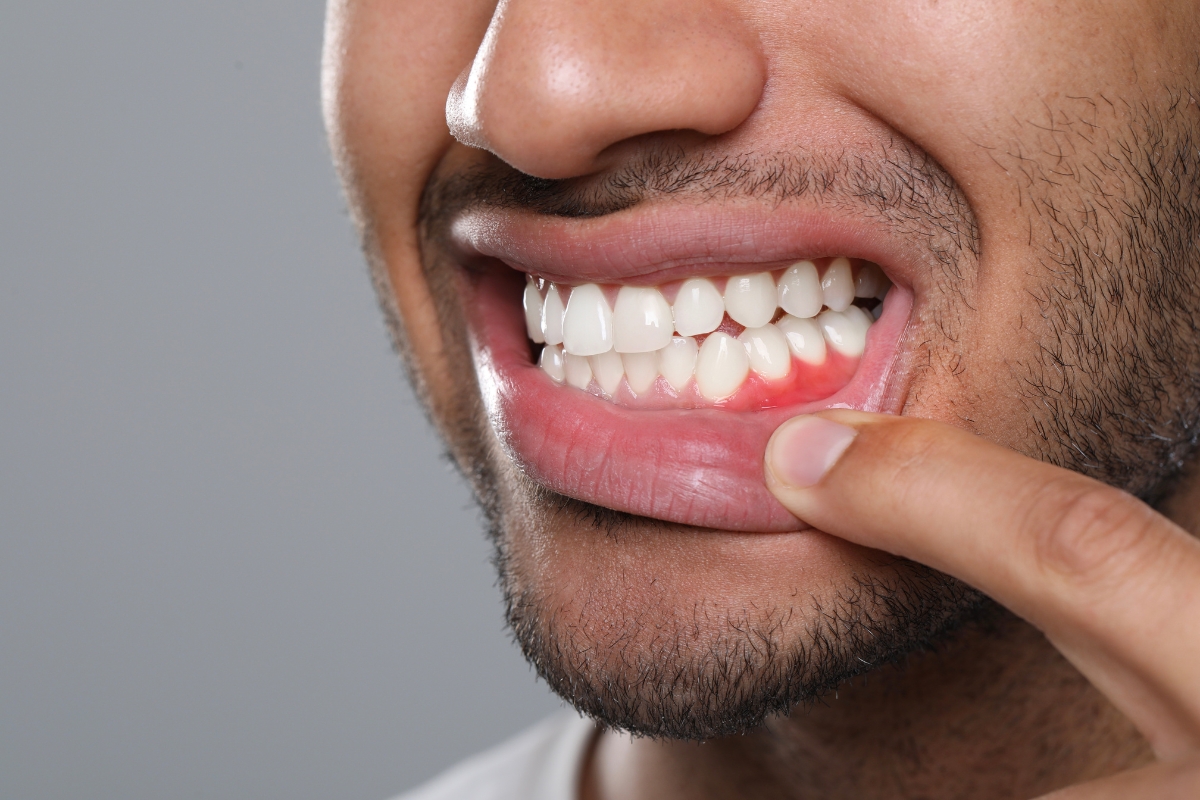
Did you know brushing alone won’t fully recover your gums from disease? While essential, it’s just the first step in gum disease treatment. Proper nutrition holds the key to faster recovery and long-term gum health. The foods you eat can directly impact your gum tissue, reduce inflammation, and support healing.
This blog explores how nutritional counseling can enhance traditional treatments, helping your gums heal faster and stay healthier. Let’s dive into the vital role nutrition plays in gum disease recovery.
Understanding Gum Disease
Gum disease, also known as gingivitis or periodontitis, begins with inflammation of the gums. It typically presents with symptoms like swollen, bleeding gums, bad breath, and gum recession. If untreated, it can lead to tooth loss.
The main cause of gum disease is plaque buildup on the teeth, often from poor oral hygiene. However, smoking, genetics, and poor nutrition can also increase risk. When plaque hardens into tartar, it can only be removed by a dentist.
The Role of Nutrition in Gum Health
Nutrition directly supports your immune system and tissue repair, which is vital for recovering from gum disease. Key nutrients like vitamin C help build collagen, strengthening gum tissues. Calcium keeps bones, including your jaw, strong. Omega-3 fatty acids reduce gum inflammation, while antioxidants protect tissues from oxidative stress.
Adding foods like leafy greens, citrus fruits, fatty fish, nuts, and seeds to your diet can provide these essential nutrients and speed up healing.
Nutritional Counseling: What to Expect
Nutritional counseling can create a personalized plan to meet your specific recovery needs. Your dentist in Pasadena will help you identify healthy foods that reduce inflammation and promote healing. They’ll also guide you on foods to avoid, such as sugary, acidic, and processed items, which can worsen gum inflammation and delay recovery.
Staying hydrated is also crucial for maintaining healthy gum tissues and overall healing. With the right dietary changes, you can significantly improve your gum health.
Combining Nutrition with Proper Oral Care
While nutrition is vital, it should always complement proper oral care. Brushing and flossing regularly removes plaque buildup, the primary cause of gum disease. Regular dental visits will allow your dentist to monitor your gum health and adjust treatment as needed.
Additionally, your dentist in Pasadena may recommend supplements such as vitamin C or omega-3s to complement your diet, though these should not replace proper care. A balanced approach of nutrition and oral hygiene is the most effective way to recover from gum disease.
Practical Tips for Incorporating Healthy Foods into Your Diet
Including gum-healthy foods in your diet doesn’t have to be complicated. Start your day with a citrus fruit like an orange or grapefruit, which is packed with vitamin C. Snack on nuts and seeds throughout the day, which are rich in omega-3s.
For lunch, add leafy greens like spinach or kale to your salad, or have a piece of grilled salmon. Drinking water throughout the day and sipping on herbal teas will help keep you hydrated and support gum health.
When to Seek Professional Help
While nutritional counseling and diet changes are beneficial, a dentist should still be your primary care provider for gum disease. Working with a dentist and a nutritionist provides the best approach for optimal recovery.
Your dentist will ensure your gum disease treatment is progressing well, while a nutritionist can tailor your diet to meet your needs. Regular check-ups with your dentist will allow them to monitor your gum health, make adjustments to your treatment plan, and ensure your recovery stays on track.
Nutritional counseling is a powerful addition to brushing and professional dental care when recovering from gum disease. A healthy diet can help your body heal more quickly, reduce inflammation, and protect your gums from future damage.
Schedule a consultation with us today to learn how dietary changes can complement your gum disease treatment. Your path to healthier gums starts with both the right food choices and regular dental care.
New Patients & Emergency
Appointments Welcome!
New Patients & Emergency
Appointments Welcome!