
8092 Edwin Raynor Blvd # D, Pasadena, MD 21122

Teeth Cleaning Frequency in Green Haven, MD


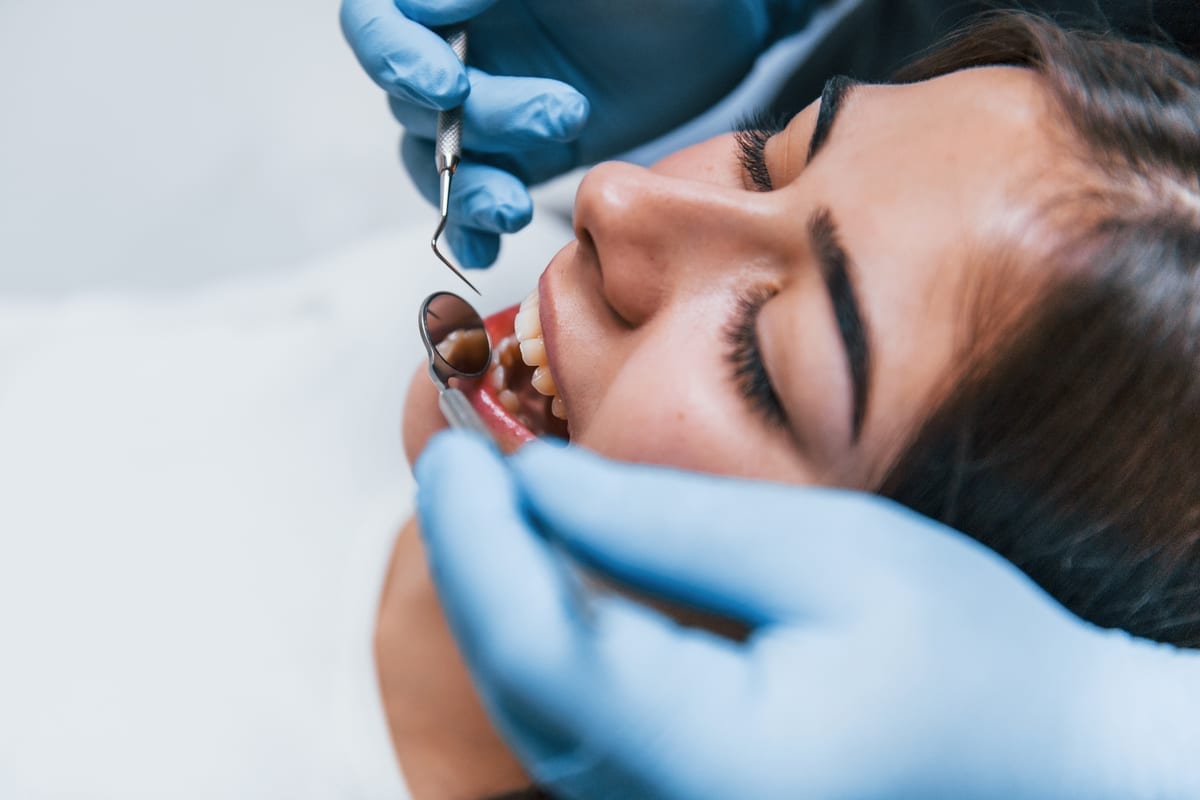
Many Green Haven patients assume everyone follows the same six-month cleaning schedule. That is simply not the case. Why some patients need cleanings every 3 months, not 6 in Green Haven comes down to individual oral health factors. Your mouth is unique — and your cleaning schedule should reflect that.
At Pasadena Dental Group, Dr. Alex Sapienza takes a personalized approach to every patient’s care. Understanding your cleaning frequency helps you stay ahead of serious dental problems. The right interval protects your teeth, your gums, and your overall health.
What Is a Periodontal Maintenance Cleaning?
Standard cleanings are designed for patients with healthy gums. But some patients require a more intensive type of cleaning called periodontal maintenance. This cleaning removes bacteria from deeper below the gumline on a more frequent schedule.
Periodontal maintenance is typically recommended every three to four months. It targets areas where harmful bacteria rebuild quickly. Without consistent removal, those bacteria trigger inflammation and bone loss around the teeth.
This is not a punishment — it is simply a different level of care. Think of it like managing a chronic condition with regular check-ins. Staying consistent with your schedule dramatically improves long-term outcomes.
Key Factors That Determine Your Cleaning Frequency in Green Haven
Several personal health factors influence how often you should see the dentist for a cleaning. Dr. Sapienza evaluates each patient individually to make the right recommendation. Here are the most common reasons a patient may need more frequent visits:
- Gum disease history: Patients who have had gingivitis or periodontitis need closer monitoring.
- Deep gum pockets: Bacteria accumulate faster in pockets deeper than 4 millimeters.
- Smoking or tobacco use: Tobacco significantly increases plaque and tartar buildup rates.
- Diabetes: Uncontrolled blood sugar accelerates gum disease progression.
- Dry mouth: Reduced saliva allows bacteria to thrive and multiply quickly.
- Genetic predisposition: Some patients build tartar faster due to their genetics alone.
- Compromised immune system: Certain medications or conditions reduce the body’s ability to fight oral bacteria.
Even with excellent brushing and flossing habits, these factors can override your home care routine. That is why professional evaluation matters so much. A dentist can spot risks that you simply cannot see or feel at home.
Why Every 6 Months May Not Be Enough for Some Patients
The twice-yearly cleaning recommendation is a general guideline — not a universal rule. For healthy patients with no gum issues, six months is usually appropriate. But for others, waiting that long allows harmful bacteria to cause real damage.
Research shows that gum disease bacteria can recolonize treated areas in as little as 90 days. That means a six-month gap gives bacteria an extra three months to cause harm. Shortening that window to three or four months keeps bacterial levels consistently low.
Untreated or undertreated gum disease does not stay in your mouth. Studies link it to heart disease, diabetes complications, and other systemic conditions. Frequent cleanings are an investment in your overall health — not just your smile.
For patients receiving Restorative Dentistry treatments like crowns or implants, frequent cleanings also protect those investments. Bacteria around restorations can cause failure over time. Staying on a tighter schedule preserves both natural teeth and dental work.
Signs You Might Need More Frequent Cleanings
Sometimes patients do not realize they have early gum disease until a dentist checks. Knowing the warning signs helps you advocate for yourself. If you notice any of the following, bring them up at your next visit:
- Gums that bleed when you brush or floss
- Persistent bad breath that does not improve with brushing
- Gums that appear red, swollen, or puffy
- Teeth that feel sensitive near the gumline
- Gums that seem to be pulling away from your teeth
- Noticeable tartar buildup despite regular brushing
These symptoms do not always cause pain in early stages. That makes them easy to ignore — but dangerous to overlook. Early intervention with more frequent cleanings can reverse gingivitis before it becomes periodontitis.
Patients exploring Cosmetic Dentistry procedures should also prioritize gum health first. Healthy gums are the foundation of a beautiful smile. No cosmetic result lasts long without a stable, healthy base.
How Dr. Sapienza Determines Your Ideal Cleaning Schedule
During your appointment, Dr. Sapienza performs a thorough periodontal evaluation. This includes measuring the depth of the spaces between your teeth and gums. Those measurements, combined with your health history, guide his recommendation.
He also reviews X-rays to assess bone levels around your teeth. Bone loss is a key indicator of advancing gum disease. Catching it early allows for a less invasive treatment approach.
Your cleaning frequency may change over time as your health improves or evolves. Many patients start on a three-month schedule and transition to every four months after sustained improvement. The goal is always to reach the least frequent interval your health safely allows.
Green Haven patients benefit from having a trusted local provider who knows their dental history well. Continuity of care makes a significant difference in long-term outcomes. Building a relationship with Dr. Sapienza means your treatment always reflects where you are right now.
Conclusion: Your Cleaning Schedule Should Work for You
Understanding why some patients need cleanings every 3 months, not 6 in Green Haven empowers you to make smarter decisions. There is no shame in needing more frequent care — it simply means you are being proactive. Matching your cleaning schedule to your actual needs is one of the most effective things you can do for your oral health.
Dr. Alex Sapienza and the team at Pasadena Dental Group are here to guide every step of your care. We serve patients throughout Green Haven and the surrounding communities with compassionate, individualized dental care. Book Now to schedule your appointment with our team.
Frequently Asked Questions
How do I know if I need cleanings every 3 months instead of every 6?
Your dentist will evaluate your gum pocket depths, bone levels, and health history to decide. Patients with gum disease, heavy tartar buildup, or certain medical conditions often benefit from more frequent visits. A professional evaluation is the most reliable way to determine the right interval for you.
Will my teeth cleaning feel different if I come every 3 months?
Yes — more frequent cleanings are generally gentler and faster. Because less buildup accumulates between visits, the appointment tends to be easier on your gums. Many patients actually prefer the experience of coming in more often for this reason.
Can I go back to every 6 months once my gums improve?
Possibly, yes. Dr. Sapienza reassesses your gum health at every visit. If your measurements consistently show improvement and stability, he may adjust your schedule to every four or six months over time.
Is a 3-month cleaning the same as a regular cleaning?
Not exactly. Patients with a history of gum disease typically receive periodontal maintenance rather than a standard prophylaxis cleaning. Periodontal maintenance includes more detailed cleaning below the gumline and is tailored to your specific gum health needs.
What happens if I skip my 3-month cleaning appointment?
Skipping appointments allows bacteria to rebuild in treated gum pockets. This can reverse progress and allow gum disease to advance further. Staying consistent with your recommended schedule is one of the most important things you can do to protect your teeth long-term.



New Patients & Emergency
Appointments Welcome!
New Patients & Emergency
Appointments Welcome!