
8092 Edwin Raynor Blvd # D, Pasadena, MD 21122

When Is Tooth Extraction Necessary: How Creating Space Leads to a Balanced and Functional Smile



Dental health is more than just having a bright, shining smile. Your oral health is related to your overall well-being. In some cases, removing a tooth is necessary to preserve your health. Many people feel anxious when they hear about extraction; however, thinking of it as a process that leads to better oral health can help ease those feelings. Extraction can be necessary in various situations, regardless of whether it’s due to your wisdom tooth, crooked teeth, or other bite problems.
A dentist or oral surgeon performs the tooth extraction to align the teeth and prevent potential complications down the road. The process can help prevent gum disease and allow room for procedures, such as braces, to be carried out effectively. In this blog, we will examine the circumstances when tooth removal is necessary, the procedure, and the advantages it offers for your teeth and gums.
When Are Tooth Extractions Unavoidable?
Tooth extractions can sound scary, but they may be necessary to keep your mouth healthy and functioning correctly. The oral surgeon or dentist may suggest this for a variety of reasons, but it is generally to avoid potential problems in the future. These are the reasons for extraction:
- Overcrowded Teeth: If the jaw is small and does not have enough room to accommodate all the teeth, extraction can alleviate crowding.
- Severe Decay or Damage: A tooth that has severe decay or damage may be beyond repair. A filling or crown may not be possible to place. Tooth extractions in Pasadena, MD, may eliminate problems such as infection.
- Gum Disease: Advanced gum disease can cause tooth instability. It can cause a tooth to go loose, eventually requiring extraction.
- Wisdom Teeth: The final molars may cause pain, infection, and alignment issues. Their extraction could provide relief.
- Infected Teeth: If a tooth is severely infected and does not respond to a root canal procedure, it may need to be extracted to prevent the spread of the infection.
The Tooth Extraction Process
Tooth extractions are routine dental procedures that a dentist or oral surgeon can perform. The process involves several key steps to ensure that you are as comfortable as possible. Here’s what you can expect:
1. Initial Consultation
Before extracting a tooth, the dentist or oral surgeon will first perform an evaluation, which may include X-rays to assess the tooth and surrounding tissues. This helps them in determining whether extraction is the best course of action for you. They will also discuss your medical history to ensure there are no underlying conditions that could complicate the procedure.
2. Anesthesia
For most tooth extractions, local anesthesia is administered to numb the area around the tooth, ensuring that you feel no pain during the procedure. In some cases, for more complex extractions (like impacted wisdom teeth), sedation may be used to help you relax.
3. The Extraction Procedure
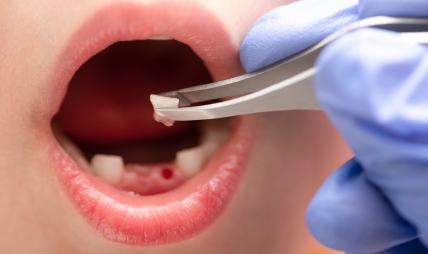
The dentist or oral surgeon will use special tools to loosen your tooth from the socket. Depending on the type of tooth being extracted, it may be removed in one piece or in sections. Once the tooth is removed, they will clean the extraction site and may apply a blood clot to help with healing.
4. Post-Extraction Care
After the procedure, your dentist or oral surgeon will provide instructions on caring for the extraction site. It’s essential to follow these instructions carefully to reduce the risk of infection and ensure proper healing.
Benefits of Tooth Extractions
Although tooth extractions are often considered a last resort, they offer several significant benefits. By removing problematic teeth, you can create the space needed for the healthy development of your remaining teeth. Here’s how tooth extractions can lead to a healthier, more functional smile:
- Prevents Further Tooth Damage: If left untreated, a damaged or decayed tooth can cause infection or shift your other teeth. Extraction helps avoid these complications.
- Creates Space for Alignment: In cases of overcrowding, removing a tooth can make space for other teeth to align correctly, especially when preparing for braces or other orthodontic treatments.
- Relieves Pain: If a tooth is causing significant pain due to infection or damage, extraction can provide immediate relief and improve your overall oral health.
- Improves Bite Function: In some cases, extraction helps balance the bite, ensuring that your teeth fit together correctly and reduces the risk of other dental issues.
Is Tooth Extraction Right for You?
If your dentist or oral surgeon recommends tooth extraction, it’s because they believe it’s the best course of action for your oral health. Some patients may feel unsure about whether tooth extraction is suitable for them, but understanding the procedure and its benefits can help ease their concerns. Here is how to know if extraction is necessary:
- If Your Tooth Is Severely Damaged or Decayed: A tooth that cannot be repaired with a filling or crown may need to be removed to prevent further complications.
- If Overcrowding Is An Issue: If you have too many teeth in your mouth, especially in preparation for orthodontic treatment, removing a tooth can help create the space needed for proper alignment.
- If You Have Impacted Teeth: Wisdom teeth or other teeth that do not fully emerge from the gums may cause discomfort or infection. Extraction may be the best solution.
- If Your Teeth Are Causing Infections: A tooth with an ongoing infection may need to be extracted to prevent bacteria from spreading to other areas of the mouth.
What to Expect After Tooth Extraction
After a tooth extraction, it’s essential to properly care for the extraction site to ensure it heals well. Here are some steps to take following the procedure:
- Rest: For the first few days after tooth extraction, take it easy. Avoid strenuous activity and keep your head elevated while resting to minimize swelling.
- Ice Packs: Apply an ice pack to the side of your face to reduce swelling and discomfort.
- Pain Management: Over-the-counter pain relievers, as recommended by your dentist, can help manage any discomfort after the procedure.
- Follow-Up Appointment: Your dentist may schedule a follow-up visit to ensure the extraction site is healing properly and to check for signs of infection.
Your Path to a Healthy Smile Starts Here
Tooth extractions are a necessary part of maintaining a healthy, functional smile. While they may seem daunting, they are often the best way to prevent further damage and ensure the long-term health of your mouth. If you are struggling with overcrowded teeth, impacted wisdom teeth, or a decayed tooth, extraction may be the solution you need.
At Pasadena Dental Group, we understand the importance of a well-aligned and pain-free smile. Our team of professionals is here to help guide you through every step of your dental care journey, from the initial consultation to post-extraction recovery. If you’re considering tooth extractions or any other dental treatments, don’t hesitate to schedule a consultation with us today. Let us help you create the space you need for a balanced and healthy smile!
FAQs
1. Why might I need a tooth extraction?
Tooth extractions may be necessary to address overcrowding, severe tooth decay, gum disease, or impacted wisdom teeth. Removing a problematic tooth can relieve pain, prevent infections, and create space for better alignment, ensuring long-term oral health and function.
2. Does tooth extraction hurt?
The procedure is generally pain-free due to local anesthesia, which numbs the area. Afterward, you might feel mild discomfort or swelling, which can be managed with prescribed painkillers and ice packs. Any significant pain should subside within a few days.
3. How long does it take to recover from a tooth extraction?
Recovery time typically ranges from 7 to 10 days. Swelling and discomfort should decrease within a few days, but complete healing may take several weeks. Following aftercare instructions, such as resting and keeping the extraction site clean, helps speed recovery.
4. Can I eat normally after a tooth extraction?
For the first few days, stick to soft foods like yogurt, mashed potatoes, and soups. Avoid chewing on the side of the extraction site to prevent irritation. Gradually return to a regular diet once you feel comfortable, ensuring the area has healed properly.
5. What happens if I don’t get a tooth extracted when recommended?
Not following through with an extraction can lead to further complications such as infections, severe decay, or misalignment of surrounding teeth. Delaying the procedure could worsen the issue, making the treatment more complicated down the line.
6. How can I maintain a healthy mouth after a tooth extraction?
Maintaining oral health after extraction includes following your dentist’s instructions carefully, avoiding smoking and hard foods, and gently brushing the area. Keep follow-up appointments to monitor healing, and always maintain regular oral hygiene to prevent future issues.


New Patients & Emergency
Appointments Welcome!
New Patients & Emergency
Appointments Welcome!