
8092 Edwin Raynor Blvd # D, Pasadena, MD 21122

Your Broken Tooth Survival Guide: What Helps Before Your Extraction


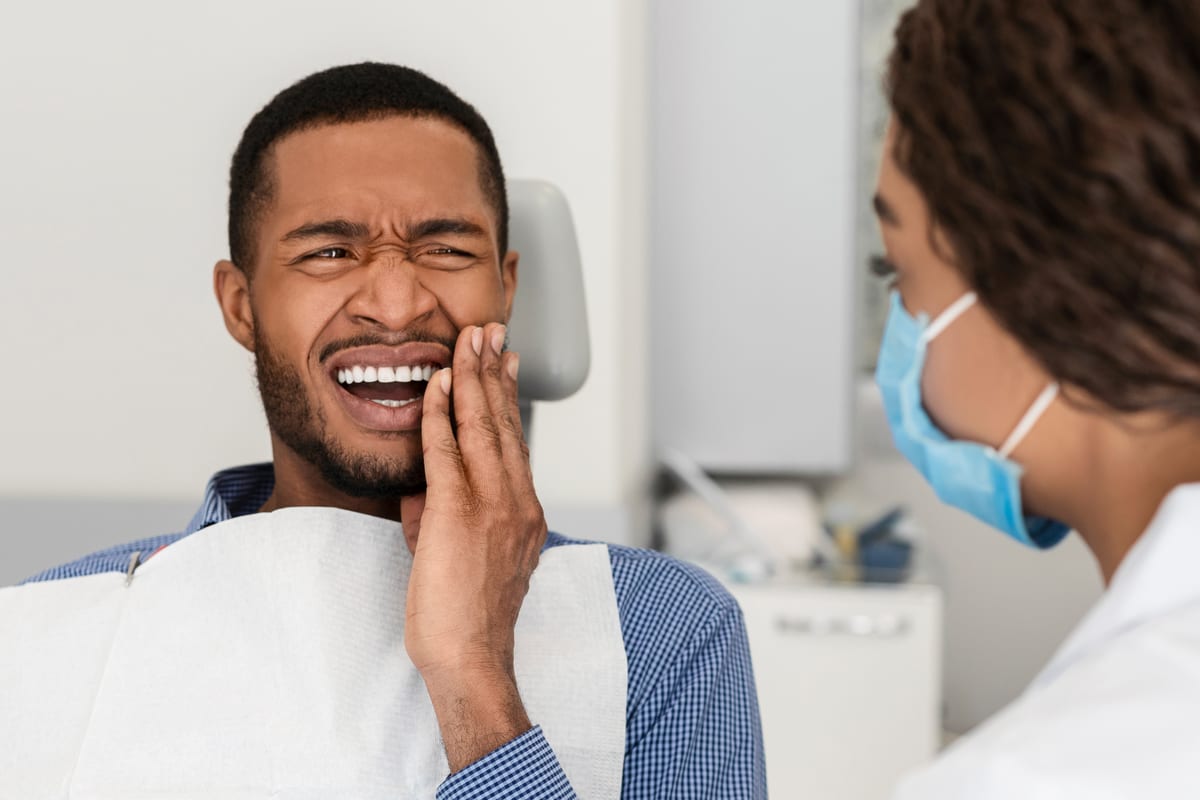
A broken tooth can happen without any warning at all. One moment you are eating, laughing, or playing sports — the next, you feel a sharp crackle and your heart sinks. If you are searching for help right now, this broken tooth survival guide is for you. Before your extraction in Pasadena, there are smart steps you can take to protect yourself, manage discomfort, and stay calm. At Pasadena Dental Group, Dr. Alex Sapienza and our team are here to walk you through exactly what to do next.
Why a Broken Tooth Needs Prompt Attention in Pasadena
Many people assume a broken tooth can wait a few days. That thinking can lead to bigger problems. A crack or break exposes the inner layers of your tooth to bacteria. Infection can develop faster than most people expect.
Even a small chip can become painful as the sensitive dentin underneath is exposed. Temperature changes from food and drinks will make that sensitivity sharp and difficult to ignore. Prompt care protects you from escalating pain and complications.
Sometimes a broken tooth cannot be saved. Dr. Sapienza will evaluate the damage carefully before recommending tooth extraction. Restorative Dentistry Pasadena options may be available to replace or repair the tooth after treatment. Acting quickly gives you the best possible outcome.
Your Broken Tooth Survival Guide: First Steps Before Your Extraction
The moments right after a break feel chaotic. Staying focused on a few simple actions makes a real difference. Here is what to do immediately after breaking a tooth:
- Rinse your mouth gently with warm saltwater to clean the area.
- Apply a cold compress to your cheek to reduce any swelling.
- If bleeding is present, apply gentle pressure with clean gauze.
- Avoid eating on that side of your mouth entirely.
- Save any large broken pieces in a small container of milk.
- Call your dentist as soon as possible to schedule an urgent visit.
These steps help manage symptoms without making the damage worse. You are not treating the tooth — you are protecting it until professional care is available. Temporary dental cement from a pharmacy can cover sharp edges that irritate your tongue or cheek.
What to Avoid After Breaking a Tooth
Knowing what NOT to do is just as important as knowing what to do. Some common instincts can actually worsen the situation and delay healing. Avoid the following until you see Dr. Sapienza:
- Do not use aspirin directly on the tooth or gum. This can cause chemical burns to soft tissue.
- Do not eat hard, crunchy, or chewy foods. These can extend the crack further.
- Do not ignore sharp pain or swelling. These are signs of possible infection.
- Do not delay your dental appointment. Waiting increases risk of complications.
- Do not try to pull a loose fragment out yourself. You may damage surrounding tissue.
Hot and cold beverages are also likely to cause significant pain. Stick to lukewarm water as much as possible. Over-the-counter pain relievers taken as directed on the label can help manage discomfort until your visit.
Swelling in your jaw or face, fever, or difficulty swallowing are emergency warning signs. These symptoms mean you need care right away and should not wait for a scheduled appointment.
What to Expect During Your Extraction Appointment
If Dr. Sapienza determines that extraction is the right step, you can expect a calm and professional experience. Our team at Pasadena Dental Group prioritizes your comfort throughout every procedure. Here is a simple overview of what the process typically involves:
- Examination and X-rays — We assess the full extent of damage below and above the gumline.
- Anesthesia — A local anesthetic numbs the area completely before anything begins.
- Extraction — Dr. Sapienza carefully loosens and removes the tooth with precise, controlled movements.
- Aftercare instructions — We provide clear written guidance before you leave the office.
- Follow-up planning — We discuss tooth replacement options appropriate for your situation.
Most simple extractions are completed quickly and comfortably. You will feel pressure during the procedure but not sharp pain. If you feel discomfort at any point, let our team know immediately.
After extraction, recovery typically takes just a few days. Blood clot formation in the socket is a critical part of healing. Follow our aftercare instructions carefully to protect the clot and prevent dry socket.
Replacing Your Tooth After Extraction in Pasadena
Losing a tooth does not have to be permanent. Pasadena Dental Group offers several options to restore your smile after extraction. Dr. Sapienza will recommend the best path based on your oral health, bone density, and personal goals.
Dental implants are widely considered the gold standard for tooth replacement. They function and look like natural teeth. Implants also help preserve the jawbone that naturally begins to deteriorate after a tooth is lost.
Other options include dental bridges and partial dentures. Each solution has its own advantages depending on your unique situation. If you are interested in improving the look of your smile beyond just replacing the missing tooth, Cosmetic Dentistry Pasadena services like veneers or teeth whitening may complement your restoration beautifully.
The goal is always to restore both function and confidence. Our team will walk you through every option clearly and without pressure. You deserve a smile that works and feels great every day.
Conclusion: You Do Not Have to Handle This Alone
A broken tooth is frightening, but you have support right here in Pasadena, MD. Following the steps in this broken tooth survival guide will protect you before your extraction and set you up for a smooth recovery. Dr. Alex Sapienza and the entire team at Pasadena Dental Group are committed to gentle, expert care when you need it most. Book Now to schedule your appointment with our team.
Frequently Asked Questions
How do I know if my broken tooth needs extraction or can be saved?
Only a dentist can make that determination after a thorough examination and X-rays. Factors like the depth of the break, root integrity, and gum health all play a role. Dr. Sapienza will always explore restoration options before recommending extraction. In some cases, a crown or root canal can save a significantly damaged tooth.
Is a broken tooth considered a dental emergency?
It can be, depending on the severity. A minor chip with no pain may wait for a scheduled appointment. However, severe pain, visible nerve exposure, heavy bleeding, or facial swelling are signs of a true dental emergency. Contact Pasadena Dental Group as soon as possible if you experience any of these symptoms.
What can I take for pain while waiting for my appointment?
Over-the-counter pain relievers such as ibuprofen or acetaminophen, taken as directed on the packaging, can help reduce discomfort. A cold compress applied to the outside of your cheek can also reduce swelling. Avoid placing any pain relief product directly on the gum tissue, as this can cause irritation or chemical burns.
How long does recovery take after a tooth extraction?
Most patients feel significantly better within two to three days after a simple extraction. Full soft tissue healing typically takes one to two weeks. Following your aftercare instructions carefully — especially protecting the blood clot in the socket — speeds up recovery and prevents complications like dry socket.
When can I start thinking about replacing my extracted tooth?
Dr. Sapienza will discuss tooth replacement options at your extraction appointment or shortly after. Many patients begin the planning process for a dental implant or bridge once initial healing is complete. Starting the conversation early helps ensure you have the best outcome for your long-term oral health and smile aesthetics.



New Patients & Emergency
Appointments Welcome!
New Patients & Emergency
Appointments Welcome!